Papua Culture & Indigenous Heritage
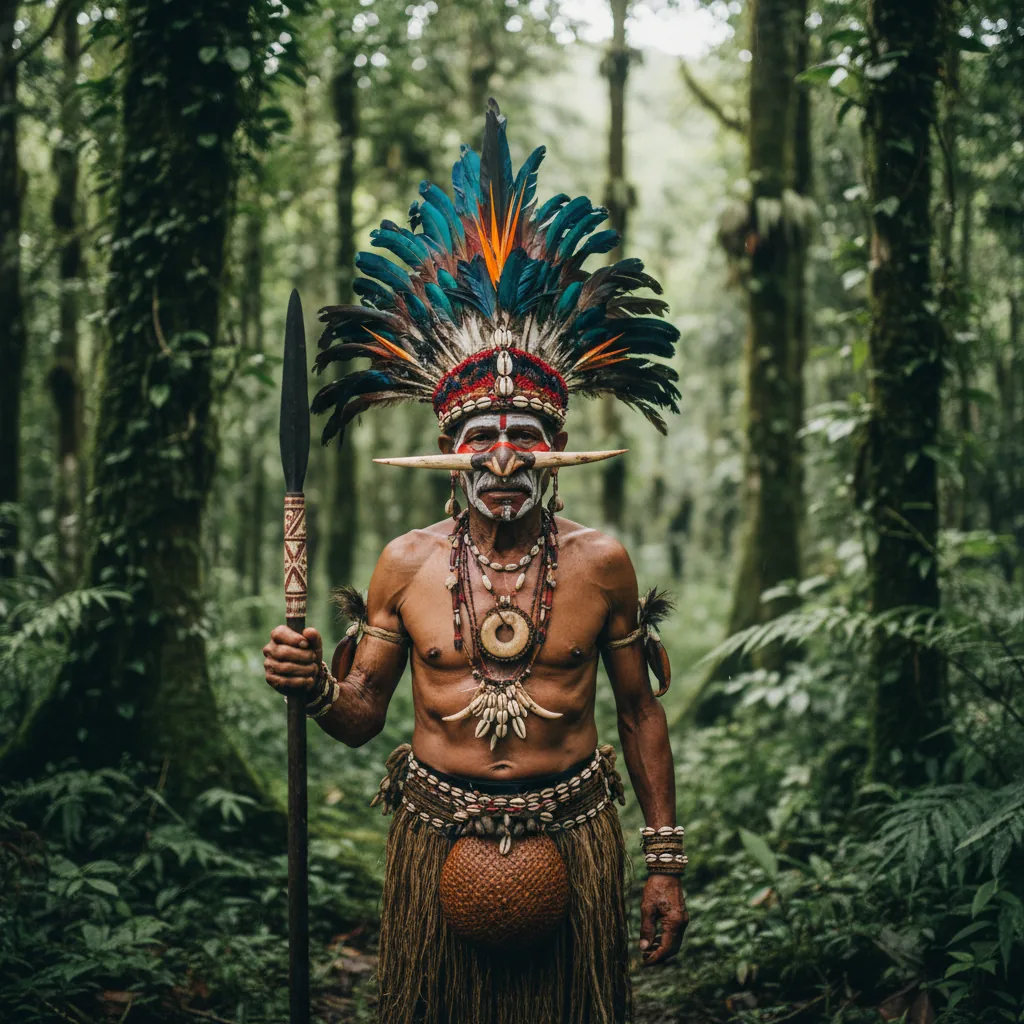
Papua’s Living Cultural Heritage
300+ Indigenous Groups, Ancient Traditions
Respectful, community-consented encounters with West Papua’s extraordinary indigenous cultures — among the most diverse and intact on Earth.
Papua’s Living Cultural Heritage
West Papua is home to one of the world’s most extraordinary concentrations of indigenous cultures — over 300 distinct ethnic groups speaking more than 270 languages, many of which have maintained traditions, spiritual practices, and ecological knowledge largely unchanged for thousands of years. For the thoughtful traveller, encounters with Papuan communities offer some of the most profound and humbling experiences available anywhere on Earth.
Papua Bird of Paradise’s cultural program is built around respectful, community-consented engagement. Every village visit and cultural encounter is pre-arranged with community leaders, conducted with appropriate protocols, and structured to benefit the host community through fair guide fees and economic participation. We do not organise “performance” visits — instead, we create genuine encounters where guests observe daily life, learn about Bird of Paradise conservation from the community rangers who protect the leks, and experience traditional practices in their authentic context.
Our cultural guides are Papuans themselves — born in the communities we visit, speaking local languages, and deeply knowledgeable about the intersection of traditional ecological knowledge and modern conservation. Their commentary transforms a nature expedition into a genuinely cross-cultural experience.
Cultural Engagement Guidelines
Papua Bird of Paradise operates all cultural encounters according to a strict ethical framework developed with community partners. Guests receive a pre-expedition cultural briefing covering appropriate dress, photography protocols (no photography without explicit consent), gift-giving policies (we do not encourage gift-giving to children), and the historical context of Papua’s complex political situation. Our guides are available to answer questions sensitively and honestly.
Conservation & Community
The most important cultural story in Papua today is the relationship between conservation and community rights. The communities of Waigeo, Batanta, and Misool have become the world’s most effective Bird of Paradise guardians not through top-down conservation programmes but through a model of community ownership and economic benefit from responsible ecotourism. Every expedition you take with Papua Bird of Paradise contributes directly to guide income, community ranger salaries, and local enterprise development.
Language
Indonesian (Bahasa Indonesia) is the national language spoken throughout West Papua. All our guides speak Indonesian and English fluently; several also speak Biak, Wandamen, or other local languages. Basic Indonesian phrases are always appreciated by local communities — our guides are happy to teach you a few words before each community visit.
Experience Papua’s Cultural Heritage
Ask about including cultural encounters in your expedition itinerary — from Bird of Paradise ranger meetings to traditional village visits.
Design My Expedition✉ [email protected] | 📞 +62 811 380 9193
Responsible Cultural Tourism in Papua
Engaging with Papua’s indigenous cultures carries profound responsibilities. These communities have maintained their traditions, languages, and relationships with the land over thousands of years under enormous external pressure. As a guest, approaching cultural encounters with humility, patience, and genuine respect is not merely good manners — it is an ethical necessity.
Our cultural tours are designed and led in partnership with community leaders from each village we visit. Community members decide what to share and how. Revenues from cultural tourism go directly to community funds that support traditional language preservation, youth cultural education, and women’s craft cooperatives. We do not offer extractive ‘snapshot’ tourism — every cultural encounter we facilitate is a genuine exchange that benefits both visitor and community.
Frequently Asked Questions
Is it respectful to photograph indigenous people in Papua?
Photography of people should always be preceded by personal introduction and explicit consent. Our guides facilitate introductions and explain cultural protocols. In many communities, elders and ceremony participants prefer not to be photographed — our guides will clearly communicate when this is the case. Never photograph sacred objects or ceremonies without specific permission.
What languages are spoken in Papua?
Papua is the world’s most linguistically diverse region, with over 700 distinct languages among roughly 4 million people. Indonesian (Bahasa Indonesia) serves as the national lingua franca and is spoken by most younger community members. Our guides are fluent in Indonesian and speak local languages in their home communities.
Can I attend a traditional ceremony or festival?
Yes — our cultural calendar identifies when major ceremonies and festivals are scheduled, and we can design itineraries to coincide with significant cultural events. These occasions offer extraordinarily vivid windows into living tradition. We always attend as respectful guests with the community’s blessing.
Are there cultural items I can purchase ethically?
Yes — traditional weaving, wood carving, and beadwork created by community artisans for sale to visitors is a legitimate and valuable economic activity. Our guides can facilitate purchases directly from artisans at fair prices. We avoid purchasing items that have ceremonial significance or items whose sale is not sanctioned by community leaders.
Start Planning Your Papua Adventure
Contact our expert team today. We’ll craft a bespoke Papua experience perfectly matched to your interests, timeframe, and budget.