Papua Bird Watching Guide — Expert Tips for Seeing Birds of Paradise
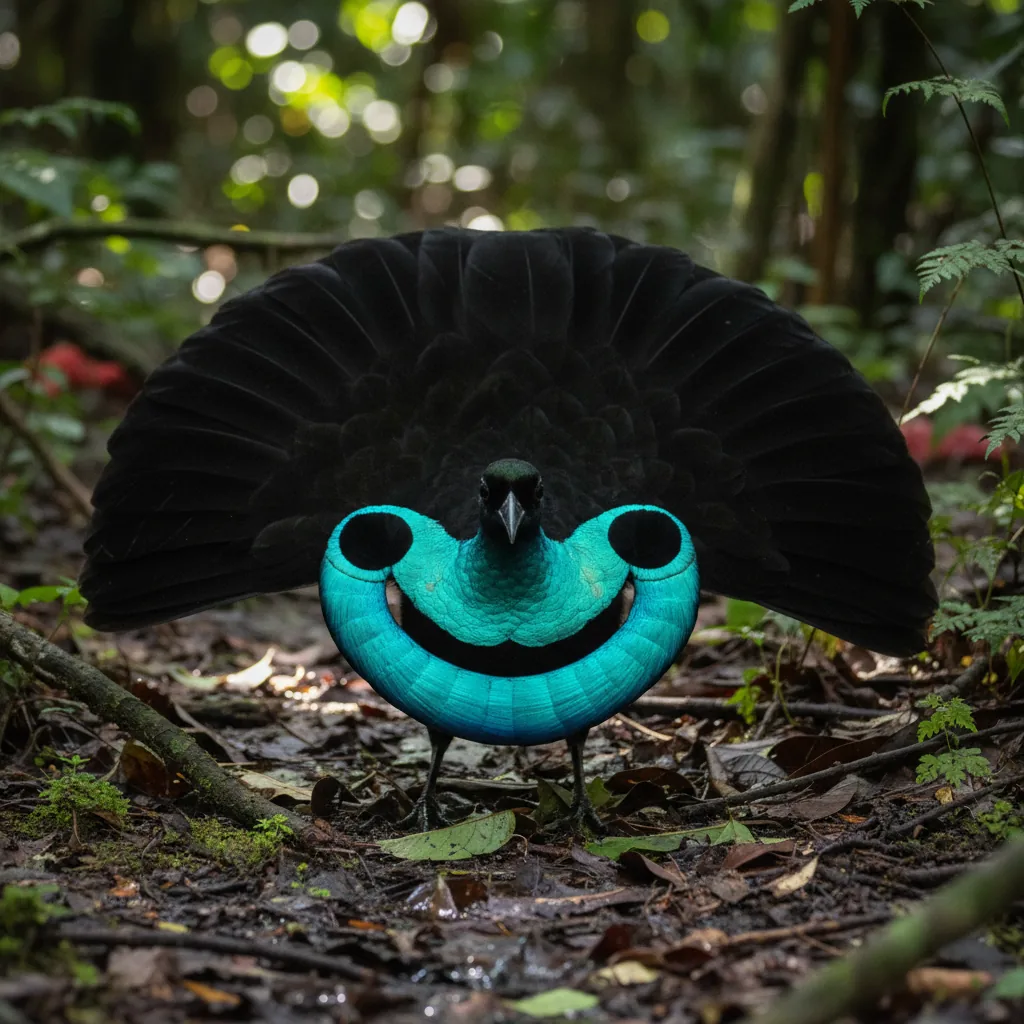
Papua is home to 42 of the world’s 44 species of birds of paradise — the single greatest concentration of these extraordinary birds anywhere on Earth. Planning a successful bird watching expedition to Papua requires understanding the unique rhythms of rainforest wildlife, the logistics of travelling in one of the world’s most remote destinations, and the importance of working with experienced local guides who know active lek sites. This comprehensive guide covers everything you need to know to make your Papua bird watching adventure a success.
Best Seasons for Bird Watching in Papua
Papua’s bird watching calendar is divided primarily by rainfall patterns rather than temperature, as the tropical climate maintains relatively consistent warmth year-round. The dry season from approximately May to October offers the most comfortable conditions for forest trekking, with clearer skies, firmer trails, and more predictable weather windows for boat travel to offshore islands such as Raja Ampat.
However, birds of paradise display throughout the year at established lek sites, driven more by territorial behaviour and mate attraction than by seasonal cues. The wet season (November to April) brings lush vegetation, active waterfalls, and sometimes spectacular forest mist conditions that create magical photography opportunities, though trails can be slippery and boat travel more weather-dependent.
Key Species: Papua’s 42 Birds of Paradise
The bird of paradise family Paradisaeidae includes an extraordinary range of forms, from the tiny King Bird of Paradise at just 16 cm to the Ribbon-tailed Astrapia whose male carries tail feathers exceeding 1 metre in length. Papua’s species span every conceivable adaptation: some display on cleared forest floors, others in treetops, some alone, others in competitive groups. Learning the key species before your trip dramatically enhances your appreciation of each encounter.
Essential Gear for Papua Bird Watching
Packing correctly for Papua bird watching makes the difference between a frustrating experience and an extraordinary one. The combination of tropical heat, high humidity, predawn starts, and variable terrain demands thoughtful preparation.
Expert Tips for Maximising Your Sightings
The single most important factor in seeing birds of paradise well is having an experienced local guide with current knowledge of active lek sites. Lek locations can shift seasonally, and birds respond very differently to different levels of human presence. Our guides have built trust relationships with the birds through years of patient observation — their knowledge is irreplaceable.
Arrive early, move slowly, and speak quietly. Birds of paradise are surprisingly tolerant of stationary observers but will flush immediately from sudden movements or loud sounds. Once you’re positioned at a lek site, remain still. The wait — often 30 to 60 minutes in the quiet predawn forest — is itself a profound experience as the rainforest gradually comes alive around you.
Manage your expectations constructively. The display is not guaranteed at every session, though our guides work hard to maximise sighting chances. Days without a display are still filled with extraordinary forest experiences — other bird species, stunning vegetation, and the rare privilege of being in one of the world’s last great wilderness areas.
Papua Bird Watching Logistics
Getting to Papua’s best bird watching sites requires advance planning. Most international visitors fly into Jakarta, Bali, or Singapore and connect to Manokwari, Sorong, Jayapura, or Wamena depending on the target species. Internal flights within Papua can be irregular and occasionally cancelled — we always recommend building buffer days into your itinerary.
Accommodation ranges from comfortable village homestays and simple eco-lodges near lek sites, to luxury jungle lodges with ensuite facilities at premium locations. All our tour packages include accommodation, meals, and all local transport. We can customise the accommodation standard to match your preference and budget — contact us to discuss options.
Frequently Asked Questions
Do I need a special permit to go bird watching in Papua?
International visitors to Papua do not generally need special permits beyond the standard Indonesian visa. However, visiting protected areas such as Raja Ampat Marine Park or certain national parks requires specific entry permits. All our tour packages include the relevant permits. Some remote highland areas require a Surat Jalan (travel letter) obtainable through local police — we handle this for all our guests.
How many species of birds of paradise can I realistically see on one trip?
A 7-10 day focused bird watching tour can realistically produce 5-8 species of birds of paradise plus dozens of other endemics. A 14-day comprehensive highland-and-coast combination tour can potentially see 10-15 species. Single-destination 3-4 day trips typically focus on 2-4 species at proven sites.
Is bird watching in Papua suitable for beginners?
Absolutely — you don’t need to be an experienced birder to be moved by a bird of paradise display. We tailor the experience to your background, with our guides providing context, identification help, and insight into behaviour. First-time birders often become passionate conservationists after witnessing these birds in the wild.
What is the physical fitness requirement?
Requirements vary significantly by tour. Some lek sites require a 30-60 minute forest walk on moderate trails. Highland destinations may involve multi-hour hikes with elevation gain. We categorise all tours by physical demand and can customise routes for guests with mobility considerations.
Can I combine bird watching with diving in Raja Ampat?
Yes — this is one of our most popular combinations. Raja Ampat offers the world’s best coral reef diving AND exclusive bird of paradise species on Waigeo Island. Our liveaboard and land combination packages let you dive by day and pursue birds of paradise at dawn, creating the ultimate Papua wildlife experience.
Ready to See Birds of Paradise in the Wild?
Let our expert naturalist guides take you deep into Papua’s rainforests for a life-changing wildlife encounter. All tours include expert ornithologist guide, chartered boat, meals, and full logistics support.